A toilet that keeps running is one of those problems that seems minor until you check the water bill. You hear a faint trickle every few minutes, flush it again, and it stops for a while. Then it starts up again, and most households put up with it for months.
The good news is that a running toilet is usually a simple fault. Almost all of them come down to a few worn parts inside the cistern, the tank behind the seat. Once you know what those parts do, you can often work out the problem in a short time.
This guide covers the usual causes, a simple test anyone can do, what the leak costs you, and the point where the job belongs with a plumber.
Key Insight:
A running toilet is almost always a worn part inside the cistern, and most of those parts are inexpensive to replace once you find the right one.
The three parts behind most running toilets
Three parts do most of the work inside the cistern. The flush valve is the opening at the bottom of the tank, and the flapper is the rubber or plastic seal that sits over it. When the flapper hardens, warps or collects grime, water seeps past it into the bowl and the tank slowly drains.
The fill valve sits on one side of the tank in most designs. It refills the cistern after each flush and shuts off when the water reaches the right level. When its seal wears out, water keeps trickling in and the cistern never quite stops filling.
The float is either a ball on an arm or a cylinder on a rod. It rides on the water and tells the fill valve when to close. If the float is set too high, water runs down the overflow tube into the bowl, and that constant trickle is easy to mistake for a leak through the seal.
A food colouring test shows where the leak is
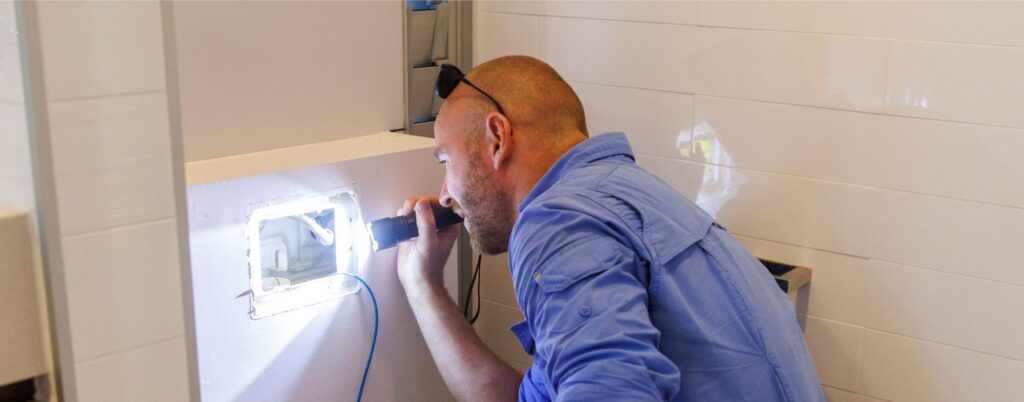
Before you start, turn off the water at the isolation valve behind or beside the toilet, then flush to empty the tank. Some older valves are stiff, so turn them gently and don’t force them. If the valve won’t turn or drips when you close it, that is a job for a plumber.
Once the water is off, remove the cistern lid and put it on a towel. Turn the water back on, let the tank fill, and add a few drops of food colouring or a toilet dye tablet. Put the lid back, leave the toilet alone for 15 to 30 minutes, and then check the bowl without flushing.
If the bowl water has changed colour, water is getting past the flapper, so the seal or the flush valve seat needs attention. If the bowl stays clear but the tank keeps refilling, the fill valve or float is the likely cause. That usually means the water is running down the overflow tube rather than through the seal.
What a running toilet costs you on the water bill
A toilet that trickles all day and night wastes more water than most people expect. A slow leak of just a few litres an hour adds up to well over ten thousand litres a year. That is water you have paid for and never used.
Your water bill shows the real cost. Find the per-kilolitre rate on your most recent bill and work out what the extra use adds, using your own figures. Rates vary by provider, so this guide won’t quote a number. A jump in usage that you can’t explain by changes in how the household uses water is a good sign something is leaking.
The maths works in favour of a quick repair. A flapper or fill valve is a small expense compared with several months of wasted water, so a running toilet is rarely worth leaving alone.
A quick part swap is not the same as a full cistern replacement
Most running toilets are fixed by replacing a single part. A flapper is a cheap, simple swap. A fill valve kit is also a reasonable job if you’re comfortable with basic tools and have photos of the parts before you remove them. Match the parts to your toilet brand and cistern design, because fittings are not universal.
A full cistern replacement is a bigger job. It usually makes sense when the tank is cracked, when the fixing points are worn beyond repair, or when the cistern and pan no longer match. It is also the moment to consider a dual flush unit if you want to cut water use further.
As a rule of thumb, if you have replaced the flapper and the fill valve and the toilet still runs, or the tank itself is damaged, the cistern is the next place to look. Replacing the whole unit costs more, but it is the right answer when the tank can’t be repaired.
When a running toilet is a job for a tradesperson
Call a plumber when the simple checks don’t solve the problem, or when the fault reaches beyond the tank. Common signs include:
- Water keeps running after you have replaced the flapper and the fill valve
- The isolation valve is stiff, leaking, or won’t shut the water off
- The cistern is cracked, or water seeps out of the tank onto the floor
- Water pools at the base of the toilet, or the floor around it feels soft underfoot
- Damp or water staining shows on a ceiling or wall in the room below
A plumber can also check the wider system in the same visit. If you have a dripping tap alongside the toilet, it is worth having both looked at together. Our team can also help you spot other hidden problems, which we cover in our guide to hidden plumbing leaks.
Key Takeaways
- A running toilet is usually a worn flapper, a failed fill valve, or a float set too high.
- A food colouring test tells you whether water is leaking through the seal or refilling through the overflow.
- A slow leak adds up quickly on the water bill, so fixing it early is the cheaper option.
- Flapper and fill valve swaps are reasonable DIY jobs, but a cracked cistern is not.
- Call a plumber if the problem continues after simple repairs or if you see leaks, damp, or a faulty isolation valve.
Frequently Asked Questions
Can I fix a running toilet myself?
Often, yes. Replacing a flapper or a fill valve is a common home job if you turn off the water first and take photos of the parts before you remove them. If you can’t tell which part is failing, or the fittings won’t come apart, a plumber can usually sort it in one visit.
Does a running toilet really waste that much water?
It can. A small, steady leak is easy to ignore because it is quiet, but it runs all day and all night. Compare your water use over a couple of months to see whether the usage matches how your household really uses water.
Should I replace the whole toilet?
Not usually. Replacing a flapper, fill valve or float costs far less than a new toilet. A full replacement makes more sense when the pan or cistern is cracked, parts are no longer available, or you want a more efficient unit.
If your toilet keeps running and the simple checks haven’t fixed it, SJK Collective can take a look. We work across Brisbane, including Morningside and Balmoral, and we are happy to talk through what you’re seeing. Send us a message through the enquiry form on our website and describe what the toilet is doing, including whether it runs constantly or only after a flush. That detail helps us bring the right parts and plan the visit. We would much rather fix a small fault early than deal with water damage later.