It is 9 pm, you hear water running under the kitchen sink, and the cupboard floor is already wet. Or perhaps a power point starts smelling like burning plastic just as you are getting ready for bed. In either situation, the first few minutes matter.
Brisbane homes face their share of plumbing and electrical problems. Heavy rain can expose leaks, older pipes can give way without much warning, and electrical faults may appear when appliances are working hard. In apartments, a problem can also affect neighbouring properties before anyone realises what is happening.
The good news is that you do not need to diagnose the fault yourself. Knowing how to make the situation safe, what to leave alone and who to contact can prevent a manageable problem from becoming a much bigger one.
Key Insight:
Deal with immediate danger first. If you can safely isolate the water or electricity, do so. Then contact the appropriate licensed tradesperson and explain exactly what has happened.
Burst pipes and flooding
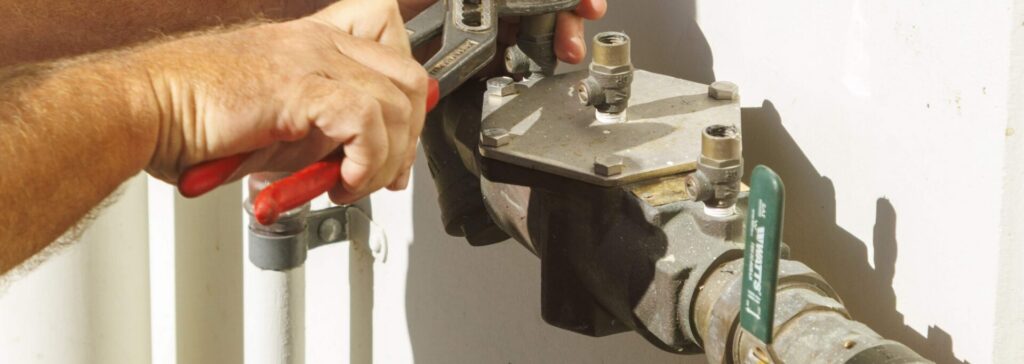
When a pipe bursts, the priority is to stop the water supply. Find the main water isolation valve and turn it off if you can reach it safely. In many Brisbane homes, the meter and main shut-off valve are near the front boundary, although the location varies between properties.
If you live in an apartment, you may have an isolation valve inside your unit. Some leaks, particularly those involving shared pipes, may need the building manager or body corporate to arrange access to the relevant supply.
Once the water is off, open the nearest taps to help drain the remaining pressure from the pipes. Move rugs, electrical equipment and other belongings away from the water if it is safe to do so. A bucket or towels can help contain a small leak, but do not spend time trying to save possessions while water continues to spread.
Keep water away from electricity. If water is approaching power points, appliances or the switchboard, stay clear. Do not walk through standing water to reach an electrical switch. Have the power isolated by a qualified professional if you cannot do so safely.
If a hot water system is leaking, switch it off only if the controls are safely accessible and you know how to operate them. Do not touch wet electrical equipment or attempt to repair the pipe yourself.
Take photographs of the damage when it is safe, then contact your property manager, landlord or plumber. If you are renting, report the problem promptly so the repair can be arranged.
Sparking, burning smells or a switch that will not reset
Electrical problems can be harder to judge because the source of the fault is not always visible. A power point that crackles, a light that flickers repeatedly or a switchboard that smells of burning should never be ignored.
If you notice sparking, smoke, a burning smell or a hot power point, keep away from the affected area. Do not touch the equipment or attempt to remove a plug from a damaged outlet.
If it is safe to reach the switchboard without approaching the hazard, you may be able to switch off the affected circuit. If the switchboard is wet, hot, sparking or otherwise unsafe to approach, leave it alone and get professional help.
A safety switch or circuit breaker that trips once may be responding to a fault in an appliance or circuit. If it trips repeatedly, do not keep resetting it in the hope that it will stay on. The cause needs to be identified by a licensed electrician.
Unplugging an appliance is only appropriate when the plug and surrounding area are dry and undamaged, and it is safe to do so. Never touch exposed wiring or dismantle a power point.
For further guidance, our guide to signs you need an emergency electrician in Brisbane explains the warning signs that should not wait until the next working day.
When to call 000
Not every plumbing leak or electrical fault requires an emergency call to 000. However, certain situations need immediate help from emergency services.
Call 000 if there is a fire, someone has suffered a serious electric shock, a person is unconscious or there is another immediate threat to life.
If someone is in contact with a live electrical source, do not touch them until the electricity has been safely isolated. Call 000 and follow the emergency operator’s instructions.
A gas leak also needs immediate attention. If you smell gas, leave the property without operating electrical switches or using anything that could create a spark. Once you are safely away, contact the gas emergency service or call 000 if there is an immediate danger.
For a burst pipe, an overflowing toilet or a leaking hot water system, the appropriate response will usually be to isolate the supply if safe and contact an emergency plumber. If the water is reaching electrical equipment or creating a danger to people, treat the situation as a safety emergency first.
When in doubt, move away from the hazard rather than putting yourself at risk to investigate.
Deciding between tonight and tomorrow morning
It can be tempting to leave a repair until business hours, particularly if an emergency call-out is likely to cost more. Sometimes that is perfectly reasonable. The important question is whether the fault can be safely contained until a tradesperson arrives.
A dripping tap with the water supply under control is very different from a burst pipe flooding the kitchen. Likewise, a light that needs a routine replacement is not the same as a switchboard producing a burning smell.
Here are a few situations that generally need urgent attention:
- Water is continuing to enter the property and cannot be safely isolated.
- Water is reaching electrical outlets, appliances or wiring.
- A power point or switchboard is smoking, sparking or producing a burning smell.
- A circuit repeatedly trips and the cause is not clear.
- A fault has left the property without essential services and creates a safety risk.
A small leak that has been isolated, with no electrical hazard and no ongoing damage, may be able to wait until the next working day. The same applies to some minor electrical issues once the affected equipment has been safely taken out of use.
If you are unsure, explain the situation to the plumber or electrician when you call. Describe what is happening now, what you have already switched off and whether anyone is at risk. They can help determine how urgently the problem needs to be attended to.
For tenants, it is also worth notifying the property manager as soon as possible. Do not assume that a message sent late at night has been seen immediately.
Find your shut-off points before you need them
Nobody wants to search for the main water valve while water is spreading across the kitchen floor. Taking a few minutes to locate the important switches and valves now can save valuable time later.
Start with the main water isolation valve. If you live in a house, check near the water meter and front boundary. In an apartment, find out whether your unit has its own isolation valve and whether any other valves are controlled by building management.
Next, familiarise yourself with the electrical switchboard. Know where it is, but do not remove its cover or touch any exposed wiring. If the circuit labels are unclear, arrange for a licensed electrician to identify them.
It is also worth knowing where the hot water system’s controls are located and who to contact if it develops a leak.
Do not force a stiff or corroded valve. An old valve can break or start leaking when turned. If it will not move easily, get a plumber to check it before an emergency occurs.
A simple note kept somewhere accessible can list the water shut-off location, switchboard location, property manager’s contact details and the number for your preferred emergency plumber or electrician.
What to tell whoever you call
When you contact a plumber or electrician, a clear description of the problem helps them understand what they may be dealing with before they arrive.
Explain where the fault is, when it started and whether it is getting worse. For a plumbing issue, mention whether water is still flowing and whether you have isolated the supply. For an electrical fault, describe any tripping, unusual smells, sparks or visible damage.
Let them know if water is near electrical equipment or if anyone has been injured. These details can affect how urgently the job needs attention.
Before agreeing to a call-out, ask about the likely arrival time, the call-out fee and whether after-hours rates apply. You can also ask what you should do while waiting, provided the advice does not involve approaching an unsafe area or attempting a repair.
If you rent, keep the property manager informed and follow the emergency maintenance procedure provided for your property. If the problem involves a shared pipe or building service, let the building manager or body corporate know as well.
Key takeaways
When a plumbing or electrical problem develops at home, a few sensible steps can help prevent further damage.
- Turn off the main water supply if a pipe has burst and you can reach the valve safely.
- Keep clear of water near electrical outlets, appliances and switchboards.
- Do not repeatedly reset a safety switch or circuit breaker that keeps tripping.
- Call 000 for a fire, serious electric shock or immediate threat to life.
- Report urgent faults to your property manager and arrange the appropriate licensed tradesperson.
- Locate your water valve and switchboard before an emergency happens.
- Record the damage and keep copies of maintenance requests, photographs and repair details.
The aim is not to fix everything yourself. It is to make the situation as safe as possible and get the right person involved.
Frequently asked questions
Can I shut off the water myself in a South Bank apartment?
Often, yes. Many apartments have an isolation valve serving the individual unit. However, the arrangement depends on the building, and some leaks involve shared pipes or common services.
If you can safely reach your unit’s isolation valve, turning it off may help limit the damage. Contact building management or the body corporate if you suspect a shared pipe is involved. If you cannot identify the correct valve, do not start turning unfamiliar valves throughout the building.
Is it safe to reset a tripped safety switch?
It depends on what caused it to trip. If the switch has tripped once and there is an obvious cause, such as a faulty appliance that has been safely disconnected, it may be possible to reset it according to the manufacturer’s instructions.
However, do not reset a switch that trips repeatedly, or one associated with burning smells, sparks, damaged wiring or water exposure. Leave the affected circuit off and contact a licensed electrician.
Do I need to call 000 for a plumbing emergency?
Not usually. A burst pipe or blocked drain will generally require a plumber rather than emergency services.
Call 000 if the situation involves a fire, serious injury, immediate danger to life or another emergency requiring police, fire or ambulance assistance. If water is threatening electrical equipment, keep away from the affected area and seek urgent professional help.
What should I do if a leak is coming from my neighbour’s apartment?
If the water is entering your unit, contact your building manager or body corporate and report the problem to your property manager if you are renting. If you can safely isolate your own water supply, do so where appropriate, but avoid interfering with shared plumbing.
If water is near electrical equipment, stay clear and treat the situation as a potential electrical hazard. Take photographs of the damage only when it is safe.
Who should I contact for an after-hours plumbing or electrical problem in Brisbane?
For a plumbing fault, contact an emergency plumber. For a suspected electrical fault, contact a licensed electrician. Explain what has happened and ask whether the situation needs immediate attendance.
If there is a fire, serious injury or immediate threat to life, call 000 first.
If you are renting, notify your property manager as soon as possible and follow the emergency maintenance instructions provided for your tenancy.
Need help with a plumbing or electrical emergency in Brisbane?
If you are dealing with a leak, a faulty power point or another unexpected problem, SJK Collective can help you understand the next steps and arrange the appropriate service.
For homes and apartments in South Bank and West End, it is worth explaining whether the fault affects an individual unit or a shared building service. The same applies to older homes in Paddington and Spring Hill, where ageing plumbing or electrical installations may need closer attention. Riverfront properties in Newstead can also face additional complications when water ingress affects electrical equipment.
When contacting the team, describe the fault, explain whether the water or power has been isolated and mention any immediate safety concerns. If you have photographs taken from a safe distance, these may help explain the problem.
The priority is always to make the property safe, contain any damage where possible and arrange the right repair. Knowing what to do before help arrives can make a difficult situation much easier to manage.