The inner-city suburb of Spring Hill is one of Brisbane’s oldest and most character-filled neighbourhoods. Just minutes from the CBD, the area features a diverse mix of heritage Queenslander homes, terrace houses, mid-century properties and modern apartment developments.
While this architectural variety gives Spring Hill its charm, it also creates unique challenges for electrical systems and other building services. Many homes were built long before today’s safety standards and were never designed to support modern appliances, air conditioning or high energy demand.
For homeowners, property managers and businesses in Spring Hill, understanding the most common electrical issues—and how they connect with plumbing, HVAC and gas systems—can help prevent safety risks, compliance problems and costly repairs.
1. Electrical Issues in Heritage Homes
Many houses in Spring Hill were built before the 1970s, and some still contain original or partially upgraded electrical systems. As wiring ages and electrical demand increases, several safety concerns can arise.
Ageing or Degraded Wiring
Older homes may still contain Vulcanised Indian Rubber (VIR) or lead-sheathed wiring. Over time, the insulation around these cables becomes brittle and begins to break down. When this occurs, live wires may become exposed within ceiling spaces or wall cavities, significantly increasing the risk of electrical faults or fires.
Because these cables deteriorate slowly, the issue can go unnoticed until problems such as flickering lights, power loss or overheating wiring occur.
Lack of Safety Switches
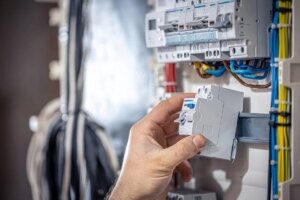
Another common issue in older homes is outdated switchboards. Many still use ceramic “screw-in” fuses rather than modern safety switches.
Today, electrical systems are required to include Residual Current Device (RCDs), which shut off power instantly if a fault or electrical leakage is detected. RCDs greatly reduce the risk of electric shock and are now standard for all lighting and power circuits in Queensland homes.
Properties without RCDs often require a switchboard upgrade to meet modern safety expectations.
Poor Earthing
Older electrical installations sometimes relied on metal water pipes as part of the earthing system. If plumbing upgrades later replaced those pipes with PVC, the home’s electrical system may no longer be properly grounded.
This can lead to mild shocks, sometimes described as “tingling”, when touching appliances or metal fixtures. Proper earthing is essential to ensure electrical faults safely discharge into the ground rather than through people or appliances.
2. Increased Electrical Demand and Overloaded Circuits
Even when wiring has been partially upgraded, older electrical systems in Spring Hill were designed for far lower power usage.
Historically, households used electricity mainly for lighting and a few appliances. Today, modern homes run multiple high-demand devices including air conditioning units, induction cooktops, computers, entertainment systems and electric hot water systems.
Circuit Overloading
As electrical demand grows, older circuits can become overloaded. This may lead to several noticeable problems, such as frequent circuit breaker trips, dimming lights when appliances start or overheating cables.
Over time, overloaded circuits can damage wiring and increase the risk of electrical fires.
Limited Power Points
Another common issue in older cottages and terrace houses is the lack of sufficient power outlets. Some rooms may only have one or two power points, forcing residents to rely heavily on extension leads and power boards.
When multiple devices are connected through a single outlet, the circuit can easily become overloaded. Installing additional outlets and upgrading wiring is often necessary to safely support modern power usage.
3. Electrical Compliance in Apartments and Commercial Buildings
Spring Hill is not only residential; it also includes many apartment complexes, medical offices, hotels and hospitality venues. In these buildings, electrical systems must meet additional safety and compliance requirements.
Body Corporate Electrical Maintenance
Apartment buildings must regularly test and maintain electrical safety equipment in shared spaces. This includes emergency lighting systems, exit signs, safety switches and backup power systems.
In older complexes, failing batteries in emergency lighting or exit signs are common issues that require replacement to remain compliant.
Storm and Water Damage
Spring Hill’s elevated terrain and older building envelopes can also contribute to electrical issues during heavy Brisbane storms. Water sometimes enters roof cavities, outdoor meter boxes or light fittings.
Moisture around electrical components often causes circuits to trip repeatedly or equipment to fail. Identifying and repairing water entry points is important to prevent ongoing electrical faults.
Warning Signs of Electrical Problems
Several warning signs can indicate electrical faults that require professional attention.
| Symptom | Possible Cause |
| Flickering lights | Loose wiring connections or voltage fluctuations |
| Burning smells near outlets | Overheating cables or insulation damage |
| Warm switchboard | Overloaded circuits or internal faults |
| Buzzing or crackling sounds | Electrical arcing and potential fire risk |
Under the Electrical Safety Act 2002, all electrical work in Queensland must be completed by a licensed electrician. Attempting DIY electrical work is illegal and can also void insurance policies.
Related Infrastructure Issues in Spring Hill Homes
Because many properties in Spring Hill are older or heritage-listed, the same structural challenges affecting electrical systems can also impact plumbing, HVAC and gas installations.
Plumbing and Drainage Problems
One of the most frequent plumbing problems in older suburbs like Spring Hill involves ageing underground pipes.
Tree Root Intrusion
Many older homes still rely on earthenware clay sewer pipes. Over time, tree roots from mature street trees grow into small cracks in these pipes in search of moisture.
As roots expand, they can block the pipe or cause it to collapse entirely. This often leads to recurring drain blockages and sewage backups. Replacing clay pipes with modern PVC systems is often the most effective long-term solution.
Low Water Pressure
Some homes located near the higher parts of the suburb, particularly around Wickham Terrace, may experience lower water pressure.
This can be caused by gravity, ageing internal pipes or corrosion within older galvanised plumbing systems.
HVAC (Air Conditioning) Challenges
Installing modern air conditioning systems in heritage homes can be difficult due to structural limitations.
Many traditional Queenslander homes lack sufficient roof cavity space or underfloor areas for ducted air conditioning systems. As a result, properties often rely on multiple split-system units instead.
While effective, these installations must be carefully planned to avoid overloading existing electrical circuits.
Another factor is energy efficiency. Older homes often have high ceilings and limited insulation, meaning air conditioning systems must work harder to maintain comfortable indoor temperatures.
Gas Fitting and Safety Considerations
Gas systems in older homes can also develop issues over time.
Ageing Gas Lines
Older copper or galvanised gas pipes may corrode or develop leaks at connection points. Even slow gas leaks can pose serious safety risks in densely populated areas like Spring Hill.
Ventilation Requirements
Modern regulations require adequate ventilation for gas appliances. However, many renovated homes have been sealed tightly to improve air conditioning efficiency.
Without proper ventilation or flue systems, gas appliances can create carbon monoxide risks.
Reliable Trade Services for Spring Hill Properties
Maintaining electrical, plumbing, gas and HVAC systems in older suburbs requires experienced professionals who understand the challenges of integrating modern infrastructure into heritage buildings.
The team at SJK Collective provides integrated trade services across Brisbane, supporting both residential and commercial properties.
Our electricians assist with switchboard upgrades, electrical installations, lighting solutions and data cabling. Our plumbing team handles drainage repairs, system upgrades and compliance work, while our licensed gas fitters manage appliance installations, leak detection and safety checks.
We also install and maintain air conditioning systems including split systems, ducted units and commercial HVAC equipment.